The HVAC market is a complex ecosystem influenced by various factors, including seasonal demand, technological advancements, and consumer preferences. Understanding these dynamics is essential for homeowners looking to purchase an air conditioner at the right time. In addition to timing your purchase, consider following Expert Tips for Maximizing Energy Savings with your new system, as this can significantly impact not only the cost but also the availability of models and the quality of service you receive from HVAC professionals.Typically, the HVAC industry experiences distinct peaks and valleys throughout the year. During the summer months, demand for air conditioning units skyrockets as homeowners seek relief from the heat. The HVAC market is a complex ecosystem influenced by various factors, including seasonal demand, technological advancements, and consumer preferences. Understanding these dynamics is essential for homeowners looking to purchase an air conditioner at the right time. In addition to timing your purchase, consider following Expert Tips for Maximizing Energy Savings with your new system, as this can significantly impact not only the cost but also the availability of models and the quality of service you receive from HVAC professionals.Typically, the HVAC industry experiences distinct peaks and valleys throughout the year. During the summer months, demand for air conditioning units skyrockets as homeowners seek relief from the heat.
Conversely, in the fall and spring, when temperatures are milder, demand tends to decrease. This fluctuation creates a unique opportunity for savvy consumers to take advantage of lower prices and better service availability during off-peak seasons.Moreover, many HVAC companies offer seasonal promotions and discounts to attract customers during these quieter months. This means that if you plan your purchase strategically, you could save a significant amount of money while also ensuring that you receive prompt installation and support from local technicians. By understanding these market trends, you can make informed decisions that align with your budget and needs.In addition to seasonal sales, it's crucial to consider the long-term implications of your purchase.
Investing in a high-quality air conditioning system not only enhances your comfort but can also lead to energy savings over time. Therefore, being aware of when to buy can help you secure a unit that meets your requirements without breaking the bank.
Why Timing Matters: The Best Seasons to Buy an Air Conditioner
When it comes to purchasing a new air conditioner, timing can significantly impact both your wallet and your comfort. The best time to buy an air conditioner is typically during the fall and spring months. These seasons are characterized by lower demand for HVAC services, which can lead to several advantages for savvy homeowners.During the fall, as temperatures begin to drop, many homeowners are less focused on cooling their homes.This shift in priorities means that HVAC companies often experience a lull in business. As a result, they may offer seasonal discounts or promotional deals to encourage sales. By taking advantage of these offers, you can secure a new air conditioning unit at a more affordable price.Similarly, spring is another prime time for purchasing an air conditioner. As the weather warms up, homeowners start thinking about their cooling needs, but many are still in the planning stages.
This transitional period allows you to shop around without the pressure of immediate installation. HVAC companies are often eager to fill their schedules before the summer rush begins, making it an excellent opportunity to negotiate better prices.In contrast, summer and winter are peak seasons for HVAC professionals. During these times, demand skyrockets due to emergency repairs and urgent installations. If your air conditioning unit fails in the middle of a heatwave, you may find yourself waiting longer for service and potentially paying higher rates for repairs or replacements.
This is why planning ahead and purchasing during off-peak seasons can save you both time and money.Moreover, when searching for HVAC repair nearby , you may notice that companies are more responsive during the fall and spring months. With fewer service calls to manage, technicians can provide quicker responses and more personalized service. This not only enhances your overall experience but also ensures that any issues with your new unit can be addressed promptly.In summary, timing your purchase of an air conditioner can lead to significant savings and improved service quality. By focusing on the fall and spring seasons, you can take advantage of lower demand, seasonal discounts, and more attentive customer service from local HVAC professionals.
The Benefits of Buying in Off-Peak Seasons
Purchasing an air conditioner during off-peak seasons, specifically in the fall and spring, offers numerous advantages that can significantly benefit homeowners.Understanding these benefits can help you make a more informed decision when it comes to your HVAC needs.
Cost Savings on Units
One of the most compelling reasons to buy an air conditioner during off-peak seasons is the potential for substantial cost savings. Many retailers and HVAC companies offer discounts on air conditioning units when demand is lower. This is primarily because they are looking to clear out inventory before the peak seasons of summer and winter. Homeowners can take advantage of these sales to purchase high-quality units at reduced prices.
Installation Discounts
In addition to savings on the units themselves, off-peak seasons often come with lower installation costs.
HVAC professionals are less busy during these times, which means they may offer promotional rates or discounts on installation services. This not only helps you save money but also ensures that you receive more personalized service from technicians who have more time to dedicate to each job.
Avoiding Long Wait Times
Buying an air conditioner during peak seasons can lead to long wait times for installation due to high demand. In contrast, purchasing in the fall or spring allows you to schedule installation at your convenience without the stress of waiting weeks for a technician. This is particularly important if you need a new unit quickly due to a malfunctioning system.
Better Selection
During off-peak times, retailers are often more willing to negotiate prices and may have a wider selection of models available.
This gives homeowners the opportunity to explore various options and find a unit that best fits their needs and budget. With fewer customers competing for the same products, you can take your time to make a well-informed choice.
Enhanced Energy Efficiency
Investing in a new air conditioning system during off-peak seasons also allows homeowners to benefit from advancements in energy efficiency. Newer models often come equipped with better technology that can lead to lower energy bills over time. By purchasing during these times, you not only save upfront but also set yourself up for long-term savings on utility costs.In summary, buying an air conditioner during off-peak seasons provides significant advantages, including cost savings on both units and installation services, reduced wait times, better selection, and enhanced energy efficiency.
These factors make it an ideal time for homeowners to invest in their comfort while also being financially savvy.
Understanding HVAC Repair and Maintenance Needs
Understanding the HVAC repair and maintenance needs of your air conditioning system is crucial for ensuring its longevity and efficiency. Regular maintenance not only helps in identifying potential issues before they escalate but also enhances the overall performance of your unit. Here are some key aspects to consider:- Regular Inspections: Schedule annual inspections with a qualified technician. This proactive approach can help catch minor problems early, preventing costly repairs down the line.
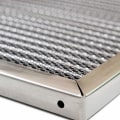
- Filter Replacement: One of the simplest yet most effective maintenance tasks is replacing or cleaning your air filter regularly.
A clogged filter can restrict airflow, making your system work harder and increasing energy costs.
- Thermostat Calibration: Ensure that your thermostat is functioning correctly. An inaccurate thermostat can lead to inefficient cooling and unnecessary energy consumption.
- Drain Line Maintenance: Check the condensate drain line for clogs. A blocked drain can cause water damage and lead to mold growth, which can be detrimental to your health.
- Age of the Unit: If your air conditioner is over 10-15 years old, it may be more cost-effective to replace it rather than invest in repairs.
- Cost of Repairs: If the repair costs exceed 50% of the price of a new unit, replacement is often the better option.
- Energy Efficiency: Newer models are typically more energy-efficient, which can lead to significant savings on utility bills over time.
- Frequency of Repairs: If you find yourself frequently calling for HVAC repair nearby, it may indicate that your unit is nearing the end of its lifespan.
Factors Influencing the Decision to Buy a New Air Conditioner
When considering the purchase of a new air conditioner, several factors come into play that can significantly influence your decision.Understanding these factors can help you make an informed choice that meets your cooling needs while also being cost-effective.
Energy Efficiency Ratings
One of the most critical aspects to consider is the energy efficiency rating of the air conditioning unit. The efficiency of an air conditioner is typically measured by its Seasonal Energy Efficiency Ratio (SEER) rating. A higher SEER rating indicates a more efficient unit, which can lead to substantial savings on your energy bills over time. For instance, units with a SEER rating of 14 or higher are generally considered energy-efficient and can save homeowners a significant amount on cooling costs.Types of Air Conditioners
Another important factor is the type of air conditioning system that best suits your home.There are several options available:
- Central Air Conditioners: Ideal for cooling large spaces, these systems distribute cool air through ducts and vents.
- Window Units: Perfect for single rooms, window AC units are cost-effective and easy to install.
- Portable Air Conditioners: These versatile units can be moved from room to room and do not require permanent installation.
- Ductless Mini-Split Systems: These systems offer flexibility and efficiency, allowing for zoned cooling without ductwork.
Installation and Maintenance Costs
The initial purchase price is just one part of the equation. Consider the installation costs , which can vary based on the complexity of the installation and the type of system chosen. Additionally, ongoing maintenance is crucial for ensuring optimal performance and longevity of your unit. Regular maintenance can prevent costly repairs down the line and improve energy efficiency.In summary, when deciding to buy a new air conditioner, take into account energy efficiency ratings, types of systems available, installation costs, and maintenance requirements.By carefully evaluating these factors, you can select an air conditioning solution that not only meets your cooling needs but also aligns with your budget and energy-saving goals.
How to Choose the Right Air Conditioner for Your Home
Choosing the right air conditioner for your home is crucial for ensuring comfort, energy efficiency, and cost-effectiveness. Here are some key factors to consider when making your selection:1.Determine the Right Size
The size of your air conditioning unit is one of the most important factors to consider. An air conditioner that is too small will struggle to cool your space, leading to higher energy bills and increased wear and tear. Conversely, a unit that is too large will cool the area too quickly without properly dehumidifying it, resulting in a clammy atmosphere.To find the right size, you can use the British Thermal Unit (BTU) rating as a guide.A general rule of thumb is:
- 500-600 sq. ft. : 14,000 BTUs
- 600-800 sq. ft. : 18,000 BTUs
- 800-1,000 sq. ft. : 24,000 BTUs
Consulting with an HVAC professional can provide tailored recommendations based on your specific home layout.
2.Research the Best Air Conditioner Brands
Brand reputation plays a significant role in the reliability and longevity of your air conditioning unit. Some of the top brands known for their quality and performance include:- Trane : Renowned for durability and efficiency.
- Lennox : Offers a wide range of energy-efficient models.
- Carrier : Known for innovative technology and reliability.
- Rheem : Provides solid performance at competitive prices.
3.Essential Features to Look For
Modern air conditioners come equipped with various features that enhance comfort and efficiency. Here are some essential features to consider:- Energy Efficiency Ratio (EER) : Look for units with a high EER rating to save on energy costs.
- Programmable Thermostats : These allow you to set schedules for cooling, optimizing energy use when you're not home.
- Variable Speed Compressors : These provide better temperature control and reduce energy consumption by adjusting cooling output based on demand.
- Air Purification Systems : Some units come with built-in filters that improve indoor air quality by removing allergens and pollutants.
Common Mistakes to Avoid When Buying an Air Conditioner
Purchasing an air conditioner can be a daunting task, especially with the myriad of options available on the market. To ensure you make a wise investment, it’s crucial to avoid common mistakes that many consumers encounter.Here are some pitfalls to watch out for and tips on how to sidestep them.
- Neglecting Proper Sizing: One of the most significant errors is choosing an air conditioner that is either too small or too large for your space. An undersized unit will struggle to cool your home, leading to increased energy bills and wear on the system. Conversely, an oversized unit will cycle on and off too frequently, causing humidity issues and inefficient cooling. Always consult with an HVAC professional to determine the correct size based on your home’s square footage and layout.
- Ignoring Energy Efficiency Ratings: When shopping for an air conditioner, it’s essential to consider its energy efficiency rating.
Look for units with a high SEER (Seasonal Energy Efficiency Ratio) rating, as these models consume less energy and can save you money in the long run. While they may have a higher upfront cost, the savings on your utility bills can make them more economical over time.
- Overlooking Installation Costs: Many buyers focus solely on the price of the unit itself and forget to factor in installation costs. Hiring a qualified HVAC technician is crucial for proper installation, which can significantly impact the unit's performance and longevity. Always request quotes from multiple contractors and ensure they include all potential costs associated with installation.
- Failing to Research Brands: Not all air conditioner brands are created equal.
Some may offer better warranties, customer service, or reliability than others. Take the time to read reviews and ask for recommendations from friends or family who have recently purchased HVAC systems. This research can help you avoid brands that have a reputation for poor performance or customer service.
- Rushing the Decision: Buying an air conditioner is not a decision to be made in haste. Take your time to compare different models, features, and prices.
Consider seasonal promotions or discounts that may be available during off-peak times, such as fall or spring, when HVAC companies are less busy.
Frequently Asked Questions About Buying Air Conditioners
When considering the purchase of a new air conditioner, many homeowners have questions that can significantly impact their decision-making process. Below are some of the most frequently asked questions regarding air conditioning purchases, along with concise answers to help guide you.What size air conditioner do I need for my home?
The size of the air conditioner you need is determined by the square footage of your home, insulation quality, and local climate. A unit that is too small will struggle to cool your space, while one that is too large can lead to inefficient energy use and humidity issues.To find the right size, consult with an HVAC professional who can perform a load calculation.
What is SEER rating and why is it important?
The Seasonal Energy Efficiency Ratio (SEER) measures the efficiency of an air conditioning unit. A higher SEER rating indicates better energy efficiency, which can lead to lower utility bills. When purchasing an air conditioner, look for units with a SEER rating of 14 or higher to ensure optimal performance and savings.Should I buy a new air conditioner or repair my old one?
This decision often depends on the age and condition of your current unit. If your air conditioner is over 10 years old and requires frequent repairs, it may be more cost-effective to invest in a new system.However, if the repair costs are low and the unit is still under warranty, repairing it could be a viable option.
What are the benefits of purchasing during off-peak seasons?
Buying an air conditioner during off-peak seasons, such as fall or spring, can lead to significant savings. HVAC companies often offer discounts during these times due to lower demand. Additionally, you may experience shorter wait times for installation services.How can I find reliable HVAC repair nearby?
To find trustworthy HVAC repair services in your area, consider asking for recommendations from friends or family. Online reviews and ratings on platforms like Google or Yelp can also provide insights into local companies.Always check for proper licensing and insurance before hiring any contractor.By addressing these common questions, you can make a more informed decision when purchasing an air conditioner that best suits your needs.
Conclusion: Making an Informed Purchase Decision for Your Air Conditioner
In conclusion, purchasing a new air conditioner is a significant investment that requires careful consideration and planning. As we have discussed, the timing of your purchase can greatly influence both the cost and the efficiency of the installation process. By opting to buy during the fall or spring , homeowners can take advantage of lower prices, special promotions, and reduced wait times for installation services.Moreover, understanding the local HVAC market dynamics is crucial. During peak seasons, such as summer and winter, HVAC professionals are inundated with service requests, which can lead to longer wait times for repairs and installations.This not only affects your comfort but can also increase costs due to high demand. Therefore, planning your purchase during off-peak months allows you to avoid these inconveniences.When considering whether to repair or replace your existing unit, it’s essential to evaluate the cost of repairs against the benefits of investing in a new system. If your current air conditioner is frequently breaking down or if repair costs are approaching the price of a new unit, it may be time to consider an upgrade. A new air conditioning system can offer improved energy efficiency, better performance, and enhanced comfort.Additionally, consulting with local HVAC professionals can provide valuable insights into the best options available for your specific needs.
They can help you assess your current system's condition and guide you in making an informed decision that aligns with your budget and comfort requirements.Ultimately, making an informed purchase decision involves not just timing but also thorough research and consideration of all available options. By taking these factors into account, you can ensure that you choose an air conditioning system that meets your needs while also providing long-term value.