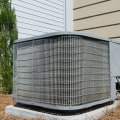
The HVAC industry is currently facing a significant crisis that has far-reaching implications for both consumers and professionals alike. As temperatures rise and fall, the demand for heating, ventilation, and air conditioning systems becomes more pronounced. However, this increasing need is met with a backdrop of supply chain disruptions, labor shortages, and rising costs. The ongoing HVAC crisis is not just a temporary inconvenience; it represents a fundamental challenge that could affect the comfort and safety of homes and businesses across the nation.One of the most pressing issues contributing to this crisis is the aging workforce within the HVAC sector.
With many technicians nearing retirement age and fewer young individuals entering the field, there is a growing gap in skilled labor. This shortage not only hampers the ability to perform timely HVAC repair nearbyHVAC repair nearby but also raises concerns about the quality of service provided. As companies struggle to find qualified professionals, customers may experience longer wait times for repairs and maintenance, leading to increased frustration.Moreover, the crisis is exacerbated by rising material costs and supply chain challenges that have emerged in recent years. These factors have forced many HVAC companies to pass on additional expenses to consumers, making essential services less affordable.
As we delve deeper into this article, we will explore the root causes of the HVAC crisis in greater detail and discuss potential solutions that can help mitigate its impact. Understanding these dynamics is crucial for homeowners and business owners alike, as it empowers them to make informed decisions regarding their HVAC needs.
Understanding the Causes of the HVAC Crisis
The HVAC industry is currently facing a multifaceted crisis, primarily driven by a combination of supply chain disruptions and significant workforce challenges. Understanding these underlying causes is essential for both industry professionals and consumers seeking solutions.Supply Chain Issues
- The COVID-19 pandemic has had a profound impact on global supply chains, leading to delays in the production and delivery of essential HVAC components. Manufacturers have struggled to source raw materials, resulting in prolonged lead times for equipment and parts.
- In addition to pandemic-related disruptions, geopolitical tensions and trade restrictions have further complicated the supply chain landscape.
Tariffs and sanctions can increase costs and limit access to critical components, exacerbating the crisis.
- Natural disasters, such as hurricanes and wildfires, have also disrupted manufacturing facilities and transportation networks, leading to shortages of HVAC products when demand is at its peak.
Workforce Challenges
- The aging workforce in the HVAC sector poses a significant challenge. With many technicians nearing retirement age, there is an urgent need for younger professionals to enter the field. Unfortunately, the average age of HVAC technicians is around 54 years, creating a looming skills gap.
- Moreover, fewer individuals are pursuing careers in HVAC due to misconceptions about the industry and a lack of awareness regarding its potential. Many young people are drawn to more glamorous or tech-centric fields, leaving HVAC positions unfilled.
- The training and education systems also play a role; there is often insufficient emphasis on vocational training in schools, which can deter students from considering HVAC as a viable career path.
By investing in workforce development programs and improving supply chain resilience, we can begin to mitigate the effects of this ongoing crisis. Understanding these causes not only helps professionals navigate current challenges but also empowers consumers to make informed decisions when seeking HVAC repair nearby.
Supply Chain Disruptions: A Major Factor
The HVAC industry has been significantly impacted by ongoing supply chain disruptions , which have led to widespread product shortages. These disruptions stem from a variety of factors, including global events, logistical challenges, and increased demand for HVAC systems and components. Understanding these issues is crucial for both consumers and professionals in the field.One of the primary causes of supply chain disruptions is the aftermath of the COVID-19 pandemic.As factories around the world shut down or reduced their operations, production timelines were severely affected. This resulted in a backlog of orders that manufacturers are still struggling to clear. Additionally, many suppliers faced labor shortages, which further hampered their ability to meet demand.Another contributing factor is the increased demand for HVAC systems due to changing climate conditions and a growing emphasis on energy efficiency. As more consumers seek to upgrade their heating and cooling systems, the pressure on manufacturers has intensified.
This surge in demand has outpaced supply, leading to longer wait times for essential components.Logistical challenges also play a significant role in the current crisis. Shipping delays caused by port congestion and transportation bottlenecks have made it difficult for HVAC companies to receive necessary parts in a timely manner. These delays can lead to extended repair times for customers who are in need of immediate assistance.The impact of these supply chain issues on HVAC repairs cannot be overstated. Technicians often find themselves unable to complete repairs due to missing parts, forcing them to reschedule appointments or provide temporary solutions that may not fully resolve the issue.
This not only frustrates customers but also strains the relationship between service providers and their clients.To mitigate these challenges, HVAC companies are exploring various strategies, such as diversifying their supplier base and investing in inventory management systems that allow for better forecasting and stock control. By taking proactive measures, they aim to reduce the impact of future disruptions and ensure that they can continue to meet customer needs effectively.In conclusion, the ongoing supply chain disruptions have created significant hurdles for the HVAC industry, leading to product shortages that directly affect repair services. Understanding these challenges is essential for consumers seeking reliable HVAC repair nearby , as it highlights the importance of patience and communication with service providers during these trying times.
The Aging Workforce: Implications for the Industry
The HVAC industry is currently facing a significant challenge due to its aging workforce. As the average age of HVAC technicians hovers around 54, a substantial number of these skilled professionals are approaching retirement.This impending wave of retirements poses serious implications for the industry, particularly in terms of technician shortages and the overall quality of service provided to consumers.With many experienced technicians leaving the workforce, the gap between those retiring and new entrants into the field is widening. This shortage not only affects the availability of HVAC repair nearby but also places immense pressure on existing technicians who must manage increased workloads. The result is often longer wait times for service and repairs, which can lead to customer dissatisfaction.Moreover, the loss of seasoned professionals means that valuable knowledge and skills are leaving with them. Experienced technicians possess a wealth of practical knowledge that cannot be easily replaced.
They understand complex systems, troubleshoot effectively, and provide high-quality service based on years of hands-on experience. As these individuals retire, there is a risk that newer technicians may not yet have the depth of understanding required to handle intricate HVAC issues.To combat this crisis, it is essential to attract younger talent into the HVAC field. Initiatives such as vocational training programs, apprenticeships, and partnerships with educational institutions can help raise awareness about career opportunities in HVAC. By showcasing the benefits of pursuing a career in this industry—such as job stability, competitive salaries, and opportunities for advancement—more young individuals may be encouraged to enter the workforce.Additionally, investing in ongoing training and development for current technicians is crucial.
Providing access to advanced training programs can help bridge the skills gap created by retiring professionals. Certifications such as North American Technician Excellence (NATE) can enhance a technician's qualifications and ensure they are equipped with the latest industry knowledge.In conclusion, addressing the implications of an aging workforce in the HVAC industry requires a multifaceted approach. By focusing on attracting new talent and investing in the development of existing technicians, we can mitigate the impact of retirements and ensure that consumers continue to receive high-quality HVAC services.
Lack of Skilled Professionals Entering the Field
The HVAC industry is currently facing a significant challenge due to a shortage of skilled professionals entering the field. This issue is not only affecting the availability of services but also the overall quality of HVAC installations and repairs.As the demand for heating, ventilation, and air conditioning services continues to rise, the gap between retiring technicians and new entrants is becoming increasingly pronounced.One of the primary reasons for this shortage is the lack of awareness among young individuals regarding the opportunities available in the HVAC sector. Many high school students are unaware of the lucrative career paths that exist within this field, often opting for more traditional college routes without considering vocational training. To combat this, it is essential to implement targeted outreach programs that highlight the benefits of pursuing a career in HVAC.
- Career Fairs: Hosting career fairs specifically focused on HVAC can provide students with direct access to industry professionals. These events can showcase various career paths, from technician roles to engineering positions, and offer hands-on demonstrations.
- Partnerships with Educational Institutions: Collaborating with high schools and community colleges to create HVAC-focused curricula can help spark interest among students.
By integrating practical training with academic learning, students can gain valuable skills while still in school.
- Apprenticeship Programs: Establishing apprenticeship programs allows aspiring technicians to gain real-world experience while earning a wage. This not only provides them with essential skills but also helps them build connections within the industry.
As technology evolves, so too must the skills of those in the field. Offering continuous education opportunities ensures that technicians remain competitive and knowledgeable about the latest advancements in HVAC systems.Ultimately, bridging the gap in skilled labor within the HVAC industry requires a multifaceted approach that includes education, outreach, and professional development. By fostering a new generation of skilled technicians, we can ensure that consumers have access to reliable HVAC repair nearby, thereby enhancing service availability and quality across the board.
Exploring Solutions to Address the HVAC Crisis
To effectively tackle the ongoing HVAC crisis, a multifaceted approach is essential. This involves not only addressing the immediate supply chain issues but also focusing on long-term solutions that enhance workforce capabilities and attract new talent into the industry.Investing in Training Programs
One of the most critical steps in resolving the HVAC crisis is investing in comprehensive training programs for current technicians.These programs should encompass both theoretical knowledge and practical skills, ensuring that technicians are well-equipped to handle modern HVAC systems. By offering courses that cover the latest technologies, energy-efficient practices, and troubleshooting techniques, companies can enhance their workforce's competency.Additionally, partnerships with technical schools and community colleges can facilitate the development of tailored curricula that meet industry needs. Such collaborations can also provide students with hands-on experience through internships or apprenticeships, bridging the gap between education and real-world application.
Career Initiatives to Attract New Talent
To combat the aging workforce issue, it is vital to implement career initiatives aimed at attracting younger individuals to the HVAC field. This can be achieved through:- Awareness Campaigns: Launching campaigns that highlight the benefits of a career in HVAC, including job stability, competitive salaries, and opportunities for advancement.
- Scholarship Programs: Offering scholarships or financial incentives for students pursuing HVAC-related courses can significantly increase enrollment in these programs.
- Mentorship Opportunities: Establishing mentorship programs where experienced technicians guide newcomers can foster a supportive learning environment and encourage retention.
Technician Development and Certification
Encouraging ongoing professional development through certification programs is another effective strategy.Certifications such as the North American Technician Excellence (NATE) and HVAC Excellence not only validate a technician's skills but also enhance their marketability. Companies should support their employees in obtaining these certifications by providing resources and time off for study and examination.In conclusion, addressing the HVAC crisis requires a concerted effort from industry stakeholders to invest in training, attract new talent, and promote continuous professional development. By implementing these solutions, we can build a robust workforce capable of meeting current and future demands in the HVAC sector.
Investing in Training and Development Programs
In the face of the ongoing HVAC crisis, investing in training and development programs for current technicians is not just beneficial; it is essential. As the industry grapples with a shortage of skilled professionals, enhancing the capabilities of existing workers can significantly alleviate some of the pressure on HVAC service providers.One of the most effective ways to ensure that technicians remain competitive and capable is through structured HVAC training programs.These programs should encompass a variety of topics, including:
- Advanced System Design: Understanding the latest technologies and methodologies in HVAC system design.
- Energy Efficiency: Training on how to optimize systems for energy savings, which is increasingly important for both environmental and economic reasons.
- Safety Protocols: Ensuring that technicians are well-versed in safety standards to protect themselves and their clients.
- Customer Service Skills: Teaching technicians how to effectively communicate with clients, which can enhance customer satisfaction and loyalty.
It equips technicians with the necessary skills to tackle modern challenges while also ensuring that businesses can meet customer demands effectively. As the HVAC industry continues to evolve, prioritizing education and skill enhancement will be crucial for long-term success.
Promoting Career Opportunities in HVAC
As the HVAC industry faces a significant workforce shortage, it becomes increasingly important to promote career opportunities in HVAC to younger generations. This not only addresses the immediate need for skilled technicians but also ensures the long-term sustainability of the industry.One effective strategy is to enhance awareness about the diverse career paths available within the HVAC field. Many young individuals are unaware of the various roles that exist beyond traditional technician positions.For instance, careers in HVAC engineering, system design, and energy management offer exciting opportunities for those interested in technology and innovation.
Educational Initiatives
Implementing educational initiatives is crucial for attracting youth to HVAC careers. Schools and community colleges can collaborate with local HVAC companies to develop programs that introduce students to the fundamentals of heating, ventilation, and air conditioning. These programs can include:- Hands-on Workshops: Organizing workshops where students can engage in practical activities related to HVAC systems helps demystify the technology and showcases its relevance.
- Career Fairs: Hosting career fairs that feature HVAC companies allows students to interact with industry professionals, ask questions, and learn about potential job opportunities.
- Internship Programs: Establishing internship programs provides students with real-world experience, making them more attractive candidates for future employment.
Engaging with Communities
Engaging with local communities is another vital aspect of promoting HVAC careers.Companies can participate in community events, sponsor local sports teams, or host open houses to showcase their work and the importance of HVAC systems in everyday life. By building relationships within the community, businesses can foster interest in HVAC careers among young people.In conclusion, addressing the workforce gap in the HVAC industry requires a multifaceted approach that includes educational initiatives and community engagement. By actively promoting career opportunities in HVAC, we can inspire a new generation of skilled technicians ready to meet the demands of this essential industry.
The Role of Technology in Solving HVAC Challenges
As the HVAC industry grapples with ongoing challenges, technology emerges as a beacon of hope, offering innovative solutions that can significantly enhance efficiency and service delivery. The integration of advanced technologies not only addresses current issues but also sets the stage for future advancements in HVAC repair and maintenance.Smart HVAC Systems
are at the forefront of this technological revolution.
These systems utilize sensors and IoT (Internet of Things) connectivity to monitor performance in real-time. By collecting data on temperature, humidity, and energy consumption, smart HVAC systems can optimize their operations, leading to improved energy efficiency and reduced operational costs. Homeowners can also benefit from remote access to their systems via mobile applications, allowing them to adjust settings and receive alerts about potential issues.Another significant advancement is the use of predictive maintenance. This approach leverages data analytics and machine learning algorithms to predict when a system is likely to fail or require maintenance.
By analyzing historical performance data, HVAC companies can proactively address issues before they escalate into costly repairs. This not only enhances customer satisfaction but also minimizes downtime for businesses reliant on climate control.
Energy-efficient technologies
are also transforming the HVAC landscape. Innovations such as variable refrigerant flow (VRF) systems and advanced heat pumps provide superior heating and cooling capabilities while consuming less energy. These systems adapt to changing environmental conditions, ensuring optimal performance without excessive energy use.Furthermore, the rise of renewable energy sources , such as solar-powered HVAC systems, is paving the way for sustainable practices within the industry.
By harnessing solar energy, these systems reduce reliance on traditional power sources, leading to lower utility bills and a smaller carbon footprint.Looking ahead, the future trends in HVAC repair will likely include greater automation and artificial intelligence (AI). AI-driven tools can assist technicians in diagnosing problems more accurately and efficiently, streamlining the repair process. As these technologies continue to evolve, they will play a crucial role in shaping a more resilient and responsive HVAC industry.In conclusion, embracing technology is essential for overcoming the challenges faced by the HVAC sector. From smart systems to predictive maintenance and renewable energy solutions, these innovations not only enhance operational efficiency but also improve customer experiences.
As we move forward, staying abreast of these technological advancements will be vital for both HVAC professionals and consumers seeking reliable HVAC repair nearby.
<strong>Conclusion: Summarizing Key Insights</strong>
As we navigate through the complexities of the ongoing HVAC crisis, it becomes increasingly clear that understanding the multifaceted causes and implementing effective solutions is essential for both industry professionals and consumers. The challenges posed by an aging workforce, supply chain disruptions, and a lack of skilled technicians have created a perfect storm that affects HVAC services across the board.One of the most pressing issues is the shortage of qualified HVAC technicians. With many experienced professionals nearing retirement, there is a significant gap in the workforce that needs to be addressed. This shortage not only impacts the availability of HVAC repair nearby but also places additional strain on existing technicians who are already stretched thin.To combat this, it is crucial to promote awareness about career opportunities in HVAC among younger generations. Educational initiatives and partnerships with local schools can help attract new talent into the field.Moreover, investing in training and development programs for current technicians is vital. By enhancing their skills and knowledge through certifications like NATE or HVAC Excellence, technicians can stay competitive in a rapidly evolving industry. This not only benefits the technicians themselves but also ensures that consumers receive high-quality service when they seek HVAC repair nearby.Additionally, addressing supply chain issues is paramount.
Companies must explore alternative suppliers and materials to mitigate delays and shortages. By diversifying their supply chains, HVAC businesses can better manage costs and maintain service levels for their customers.In conclusion, while the HVAC crisis presents significant challenges, it also offers an opportunity for growth and improvement within the industry. By focusing on education, training, and supply chain resilience, we can work towards a more sustainable future for HVAC services. As consumers, being informed about these issues empowers us to make better choices when seeking HVAC repair nearby, ensuring we support businesses that are committed to overcoming these challenges.